Writing used to be the part of my day that felt the most exhausting.
Not because students could not write, but because writing time felt messy. Papers everywhere. Students unsure of what step they were on. Constant questions about what to do next and not enough actual writing happening.
I kept trying to fix it with better prompts or new activities. What finally made the difference was not what students were writing. It was how writing activities were organized in the classroom.
Once I built a clear system, writing time became calmer, more focused, and one of the most productive parts of the day.
This post walks through exactly how I organize writing activities, step by step, so students stay independent and the writing block actually works.
Why Writing Activities Need a System
Writing breaks down quickly without structure.
When students do not have clear routines or tools, writing time fills with confusion instead of creativity. Over the years, I noticed the same patterns again and again:
- Students did not know where to begin
- Drafts felt rushed or incomplete
- Editing rarely happened well
- Writing time was filled with questions instead of thinking
The issue was not motivation.
It was organization.
Writing needs systems more than new prompts.
The Writing Activities System I Use Every Year
This is the exact structure I rely on all year long. Nothing fancy. Nothing complicated. Just a system that students understand and use every single day.
Step 1: Give Writing Activities a Physical Home
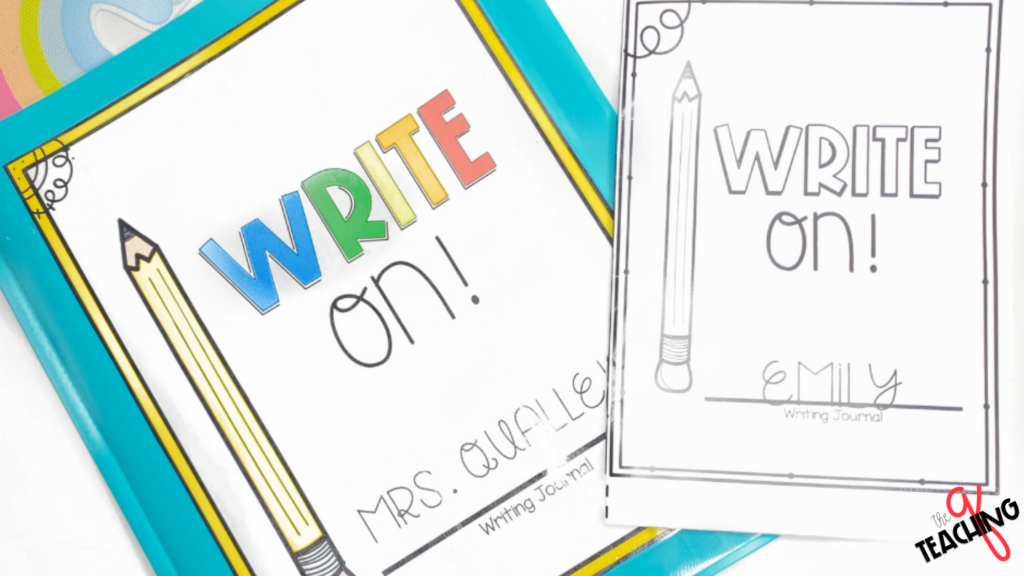
The biggest shift I made was giving writing a clear, physical home.
Every student has a writing folder or notebook that stays consistent. This is not just a place to store papers. It is an active workspace students return to daily.
Inside the folder, writing activities are organized by the writing process:
- Planning
- Drafting
- Revising
- Editing
- Finished writing
Once students know exactly where their writing lives, confusion drops immediately. Writing becomes easier because it is contained and predictable.
Step 2: Organize Writing Activities by the Writing Process
Instead of organizing writing by prompt, I organize writing activities by process.
Students move through the same steps every time:
- Brainstorm
- Plan
- Draft
- Revise
- Edit
- Publish
Each step has its own pages or tools inside the writing folder. Students do not rush ahead because the system naturally slows them down and supports quality writing.
This structure makes writing feel manageable, especially for developing writers.
Step 3: Use Writing Folders as Working Tools, Not Storage
Writing folders changed everything once I stopped treating them like filing cabinets.
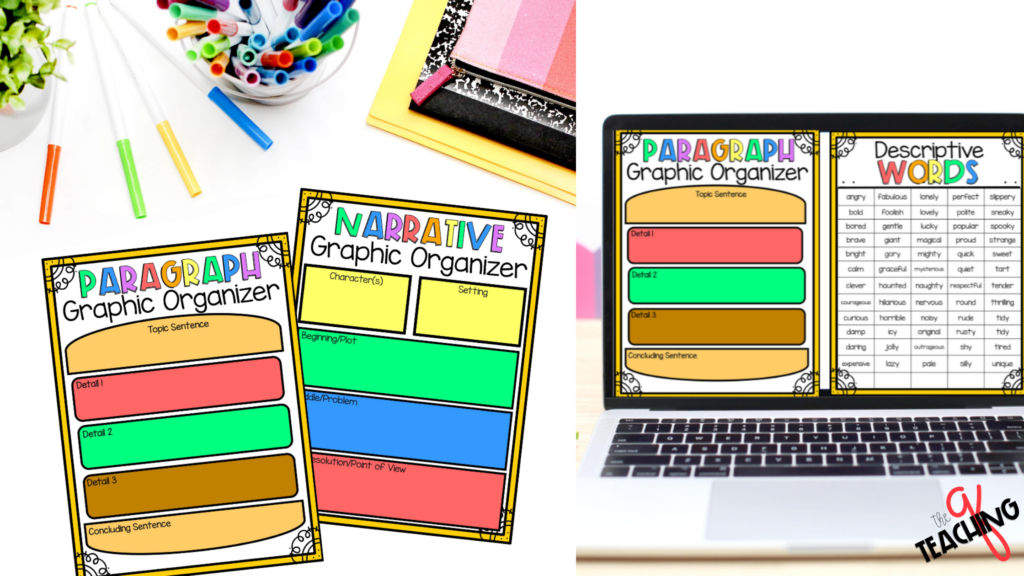
Inside each folder, students have go-to tools they can use any day:
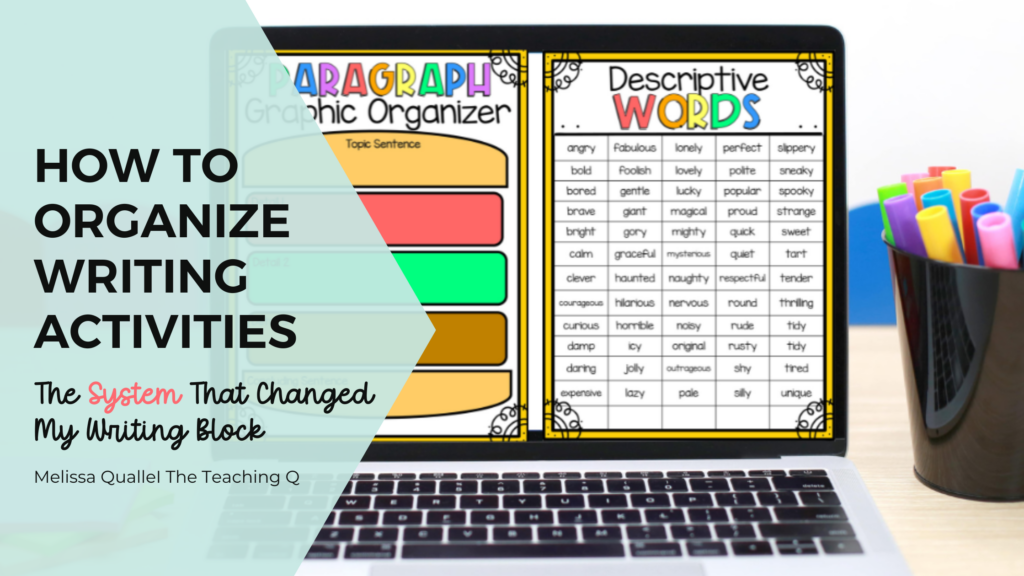
- Graphic organizers
- Paragraph planners
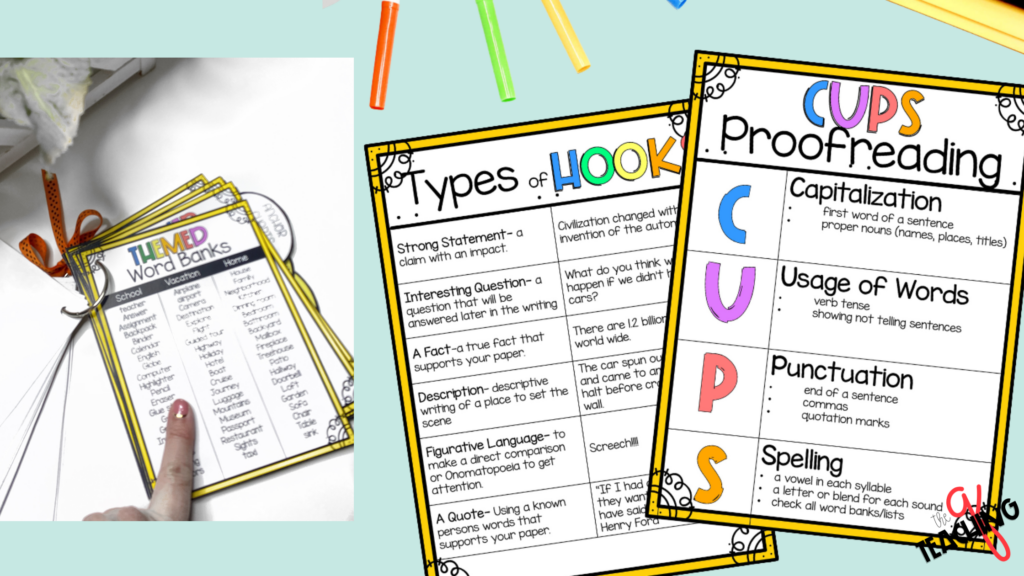
- Word banks
- Transition words
- Editing checklists
- Reference charts
Instead of waiting for me to hand something out, students flip to what they need and keep writing.
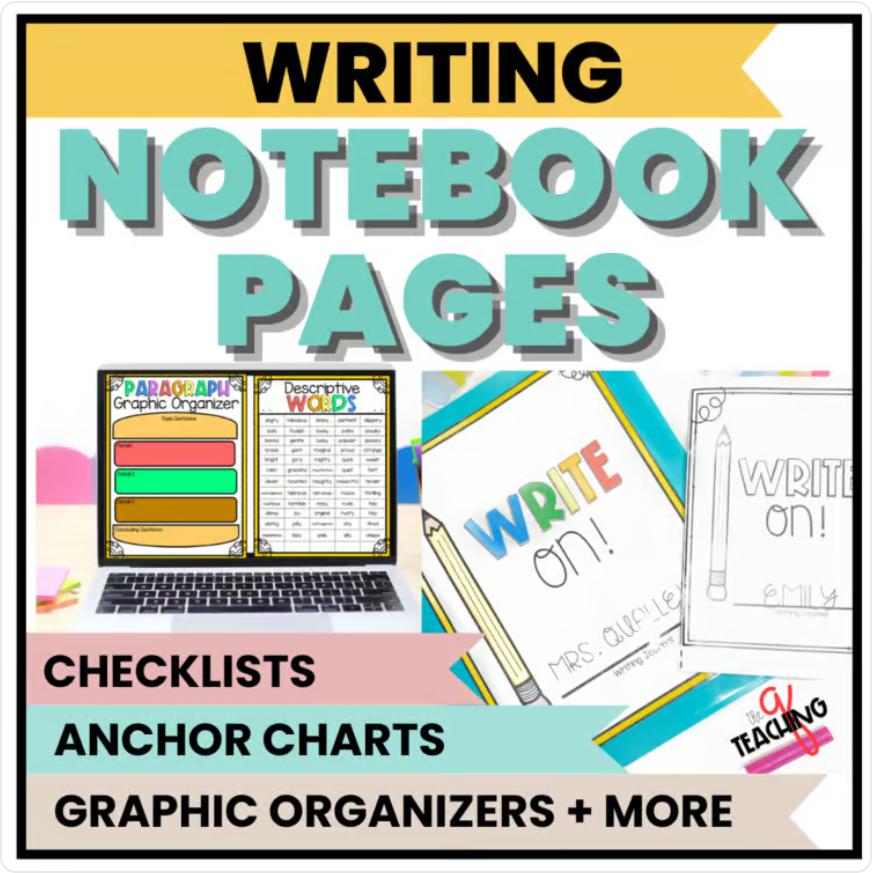
This is the same structure I rely on when I build writing folder pages for my classroom. These are tools students use again and again, regardless of topic or unit.
If you want to see the types of pages I use inside student writing folders, you can view them here!
They are not treated as a lesson.
They become part of the writing routine students depend on.
Step 4: Organize Writing Activities by Writing Purpose
Another important shift was organizing writing activities by purpose, not just by theme.
Instead of saying “Write about this topic,” students know which type of writing they are working on:
- Opinion writing
- Narrative writing
- Informative writing
- Paragraph writing
- Summary writing
The topic can change, but the structure stays the same. This clarity helps students understand expectations before they ever start writing.
Step 5: Anchor Writing Activities With Visual Supports
Writing works best when students do not rely on memory alone.
Visual supports are essential:
- Writing process charts
- Genre anchor charts
- Editing systems like ARMS, CUPS, MINTS, and LAPS
- Word banks and transition lists
- Types of hooks and closings
These tools act like a quiet teacher beside every student and reduce interruptions during the writing block.
Step 6: Keep Writing Activities Predictable With Routines
The structure of my writing block stays the same throughout the year.
A typical writing block looks like:
- Short mini lesson
- Independent writing time
- Quick peer check or reflection
Because students know the routine, they focus on writing instead of worrying about what comes next.
Writing does not need excitement.
It needs clarity and consistency.
Step 7: Use Writing Activities to Strengthen Editing Skills
Instead of correcting everything at once, writing activities focus on one editing skill at a time:
- Capitalization
- Punctuation
- Word choice
- Sentence clarity
Editing frameworks like CUPS and MINTS work best when they are part of the routine, not a one-day lesson.
Students know exactly what to check, and editing feels achievable.
Step 8: Add Dialogue Naturally Into Writing Activities
Narrative writing is the perfect place to strengthen dialogue, but only when it fits into the system.
Once students are comfortable planning and drafting inside their writing folders, adding dialogue feels natural. We revisit drafts and look for moments where characters could speak.
If dialogue instruction has ever felt awkward or forced, this post explains how to make it meaningful inside real student writing!

Step 9: Use Peer Routines to Support Writing Activities
Peer feedback works best when it is structured.
Students follow a simple routine:
- Read the writing
- Check one focus skill
- Offer one suggestion
This keeps peer time focused and productive without constant teacher intervention.
Step 10: Keep Writing Activities Flexible Without Overcomplicating Them
Writing activities do not need constant reinvention.
I keep the system the same and change only the content. This allows students to focus on writing skills instead of learning new routines every week.
The structure stays steady.
The writing improves.
What This System Changed About My Writing Block
Once writing activities were organized intentionally:
- Students wrote longer
- Writing time felt calmer
- Independence increased
- I stopped repeating directions
- Writing felt like teaching again
Writing does not fall apart because students do not care.
It falls apart when the system is not clear
How the Writing Folder Resource Fits Into This System
I want to pause here and share what actually supports this system day to day.
The reason this writing routine works so well is because students have consistent tools they can rely on, not just blank paper. Inside my classroom writing folders, I keep the same types of pages available all year long so students do not have to wait on me or ask what comes next.
These include graphic organizers for planning, paragraph outlines, word banks, transition words, and editing checklists that align directly with the writing process. When students get stuck, they know exactly where to look. That independence changes everything.
This is the same approach I used when creating my Writing Folder Resource. It is not meant to replace instruction or become another “thing” to teach. It simply provides the core writing supports students need at every stage so your system stays intact and your writing block stays calm.
If you want to see the exact types of pages I keep inside student writing folders, you can view them below!
Want More Writing Systems Like This?
If organizing your writing block feels like a constant work in progress, you don’t have to figure it all out alone.
I share real classroom systems, writing routines, and practical ideas that actually work with real students inside my Teaching Q community. This includes strategies like the one you just read, plus tools you can use right away.
If you’d like those ideas delivered straight to your inbox, you can sign up here:
👉 Join the Teaching Q community using my TACO strategy